
Our promise
Solutions for your needs. Real physicians who have time for you — diagnosed online, delivered to your door.
Therapies
Care designed around you.
Six clinically-led categories. Prescribed by U.S. licensed physicians, delivered to your door.

Hormone Optimization
Longevity & Cellular Health
Aesthetics — Hair & Skin

Weight & Metabolic

Sexual Wellness
Lifestyle Essentials
The full catalog
Treatments, customized for you.
 weight-loss
Semaglutide
Feel lighter — it works.
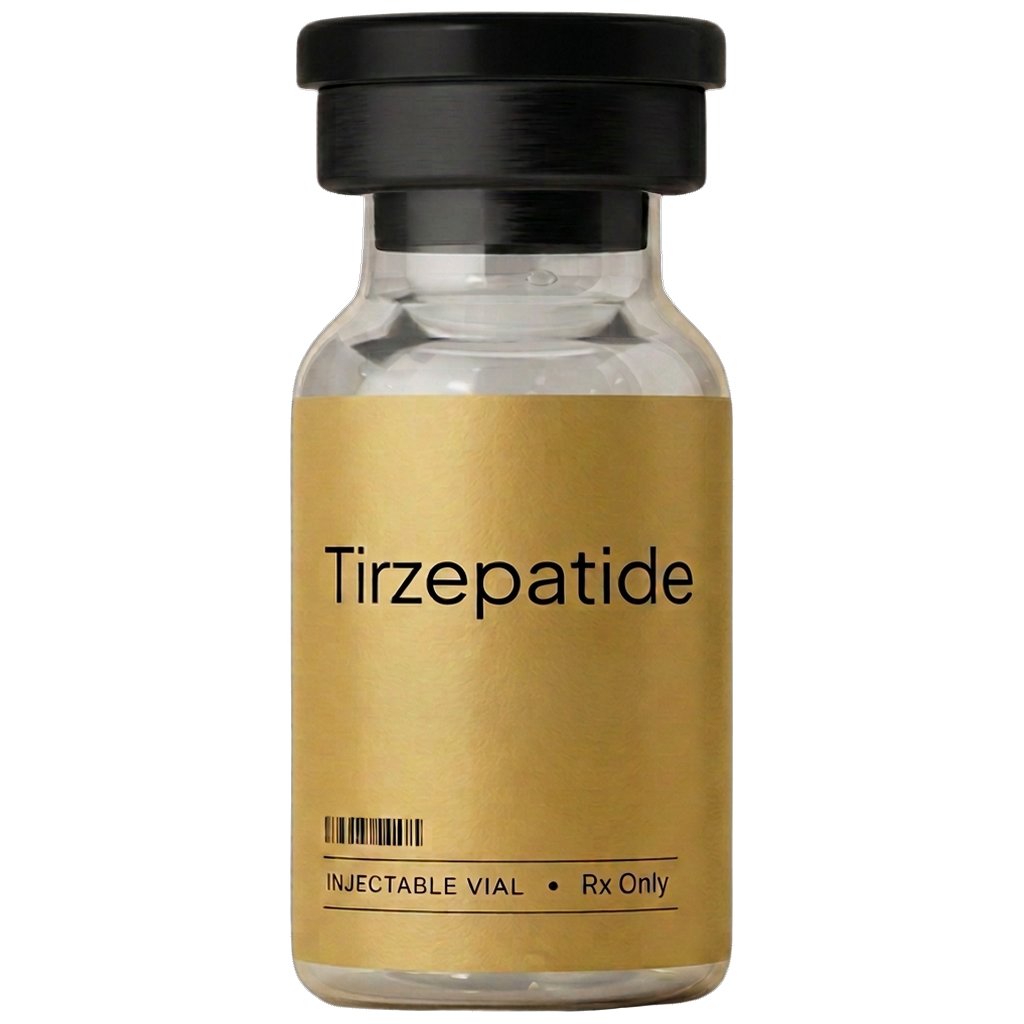 weight-loss
Tirzepatide
Feel lighter — it works.
 hrt
hrtSermorelin
Live longer, function better.
 weight-loss
Metformin
Built for better metabolism.
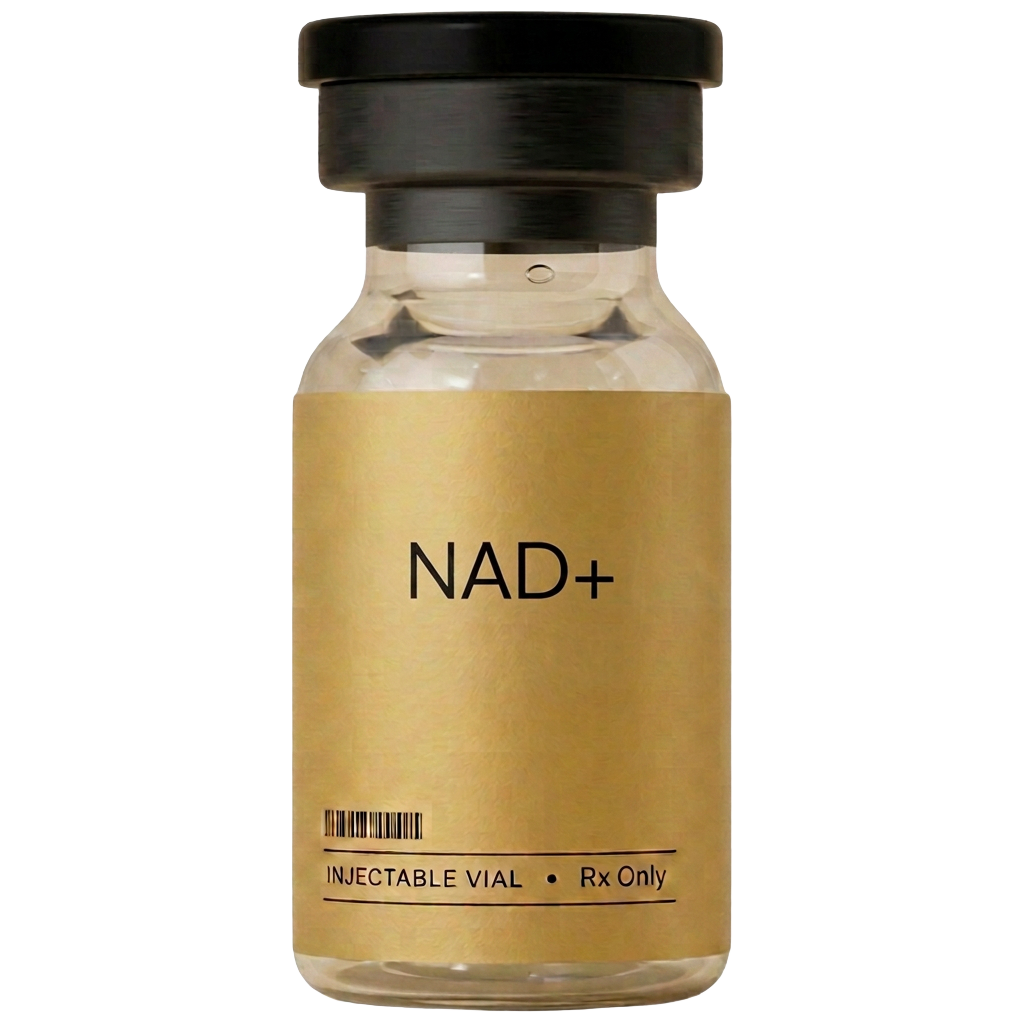 longevity
NAD+ Injectable
Brain + body energy protocol.
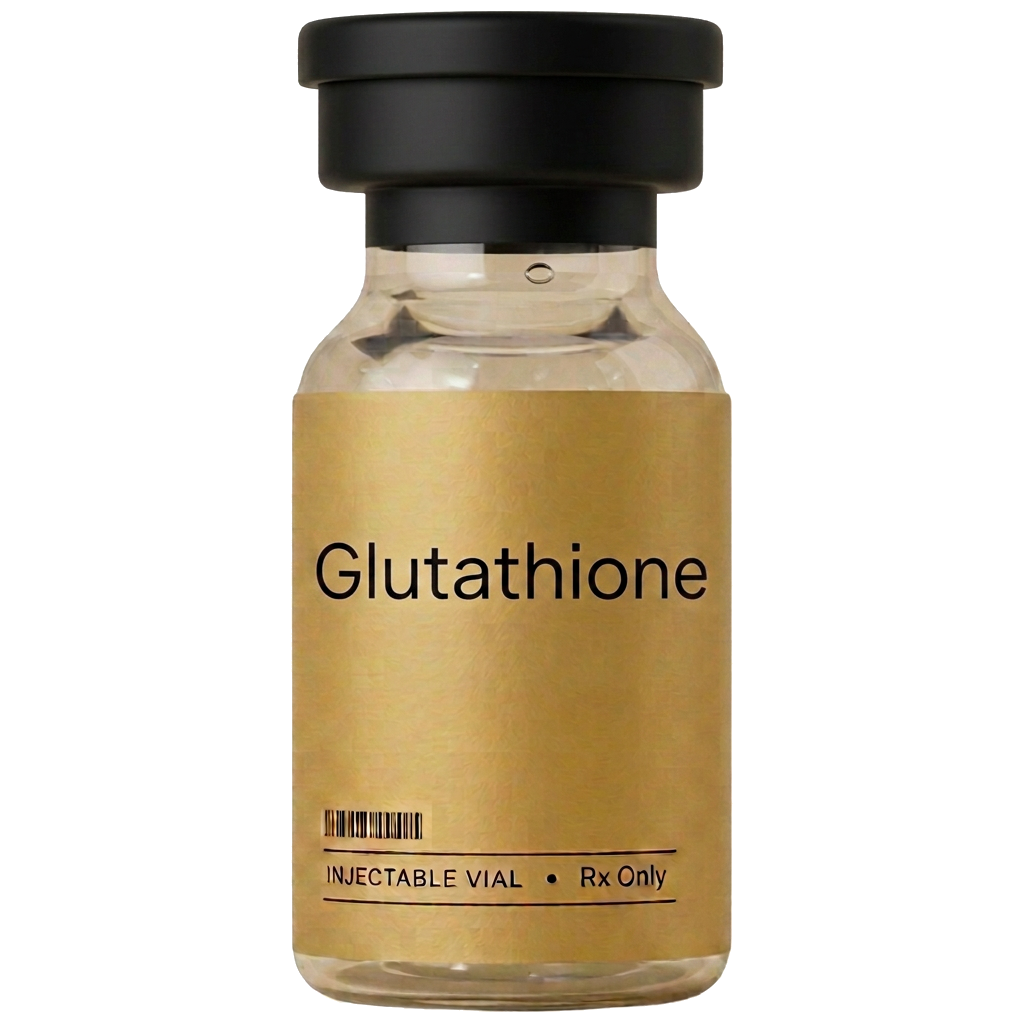 longevity
Glutathione
Endurance and focus, naturally.
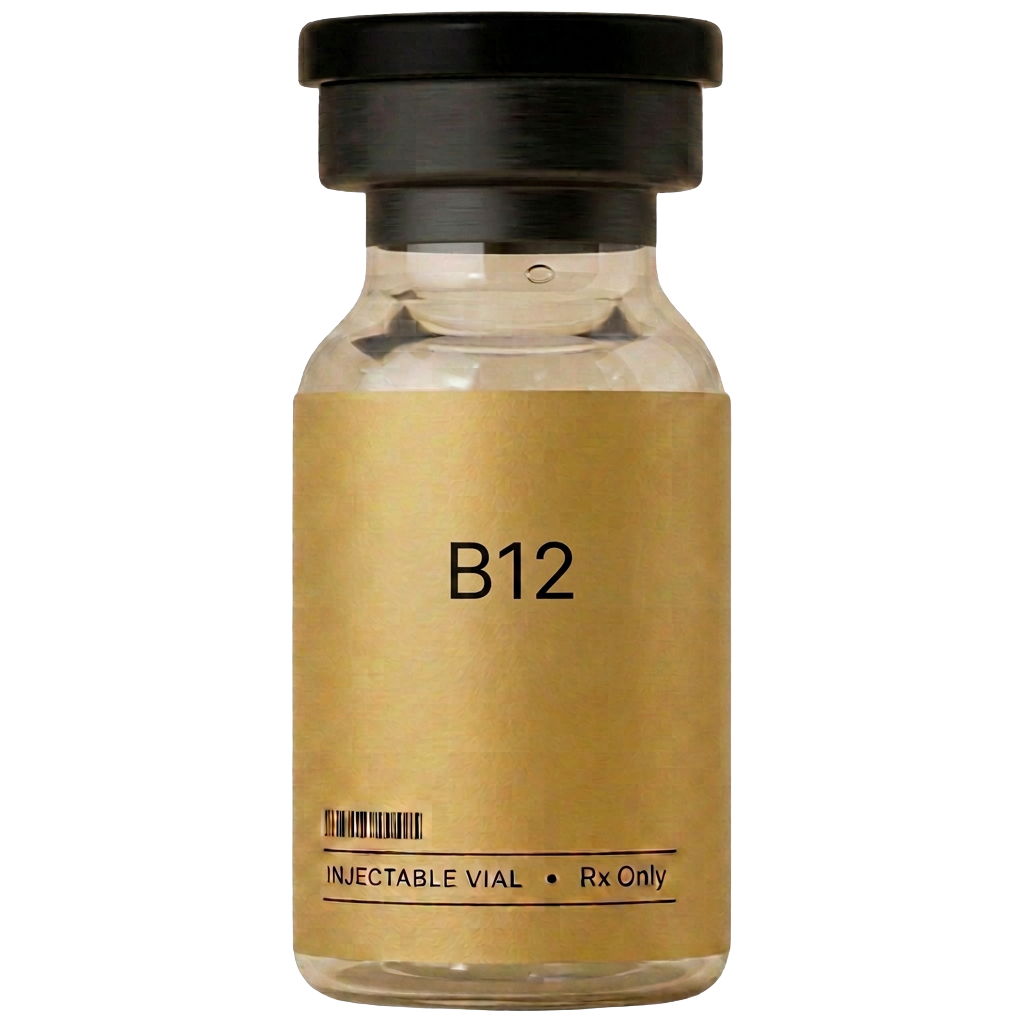 longevity
B12 Injectable
Endurance and focus, naturally.
BPC-157/GHK-U/KPV/TB500 (5ML Vial)
Repair, recovery, and renewal.
 sexual-wellness
Erectile Dysfunction
Most trusted ED medications.
 sexual-wellness
Premature Ejaculation
Faster relief. Greater control.
 sexual-wellness
PT-141
PT-141 Bremelanotide injection.
sexual-wellnessApex 4-in-1
The 4-in-1 for men.
 hair-skin
Men's Hair Loss
Grow with confidence.
 hair-skin
Women's Hair Loss
Better hair days ahead.
 hair-skin
Skincare
Dermatologist-formulated for younger skin.
 other
otherBirth Control
The power of choice.
 other
otherHPV
Faster relief. Greater control.
 other
otherCold Sores
Faster relief. Greater control.
 other
otherAcid Reflux
Combat acid reflux.
 other
otherSmoking Cessation
Break the habit. Keep the health.
How it works
Three steps, no waiting room.
Your personalized treatment plan is minutes away.

STEP 01
Take the health questionnaire.
100% online and confidential health intake form. Takes just a few minutes.

STEP 02
Get your prescription.
All prescriptions overseen by fully licensed and insured U.S. physicians.
STEP 03
Get your meds.
Fast, free delivery from our accredited 503A pharmacy partners.
Questions
We're here to help.
Kove RX is your comprehensive health and wellness partner — a telemedicine platform that pairs you with U.S. board-certified physicians for virtual consultations and coordinates cost-effective, high-quality prescription treatments shipped directly to your door. Every physician thoroughly reviews each patient's intake and prescribes therapy when appropriate, across acute, subacute, and chronic care. Our mission is accessible, affordable, premium healthcare — regardless of insurance — with complimentary 2-day shipping and a seamless online experience.
Choose the therapy you need, click 'Start My Visit,' and answer a brief set of medical questions. Our U.S.-based doctors thoroughly review your information and prescribe medication as necessary. Expect a response within approximately 24 hours. In certain states a video consultation or live chat is required — if so, your physician will reach out to complete the visit.
Medication at clearly reduced prices versus drug manufacturers and your local pharmacy. Catalog prices are visible once you create your patient account — no surprise fees, no insurance maze.
No. Kove RX works independent of insurance. Many of our members find our flat, transparent pricing lower than their copay — and shipping is always free.
Yes. Every prescription is overseen by a fully licensed and insured U.S. physician, board-certified in their specialty and licensed in your state.
Most prescriptions ship within 24–48 hours of physician approval, with complimentary 2-day delivery from our accredited 503A pharmacy partners. Refrigerated medications ship in temperature-controlled packaging.